
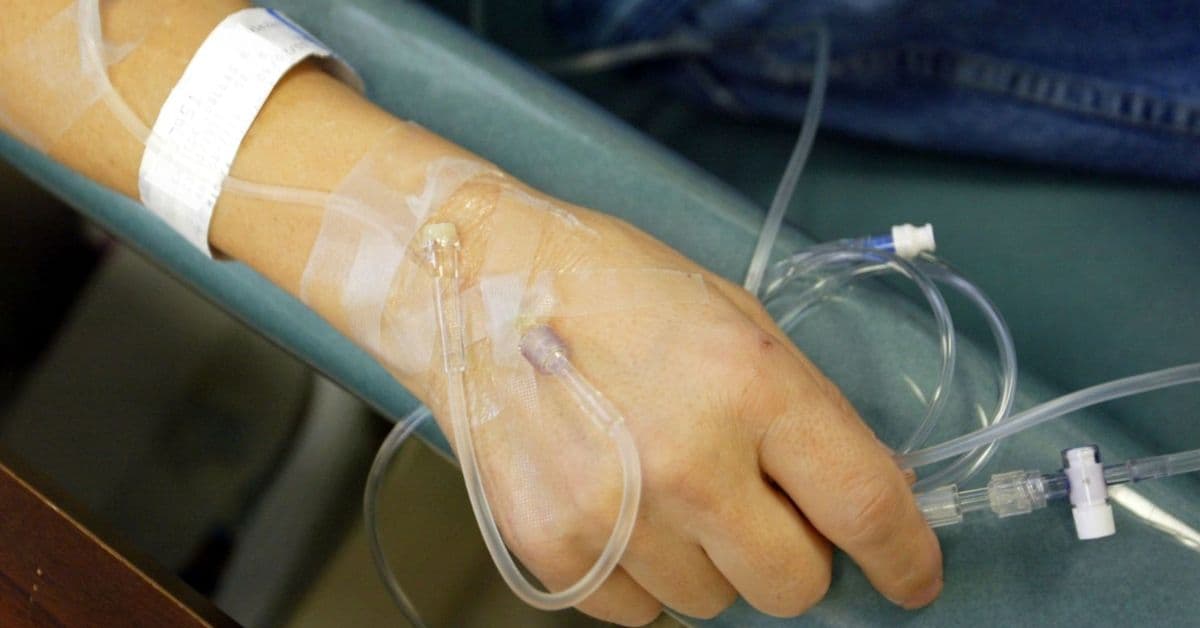
Alleviating the crisis of fragmented cancer care for cities and their citizens
Cancer care is complex. It often involves multiple providers, specialities, appointments and handovers. But in many fast-growing cities around the world, that complexity is compounded by something far more damaging: fragmentation.
Patients move between public hospitals, private clinics, diagnostic labs, NGO-run facilities and community health workers. Yet none of these services is truly connected. Information gets lost. Results don’t follow the patient. Responsibility is blurred. And the person at the centre of it all is left to piece the puzzle together alone.
This isn’t just inefficient. For someone with cancer, it can be fatal.
Disconnected care has consequences
In high-income countries, the majority of cancer patients are diagnosed early. In low- and middle-income countries, it is the reverse. Up to 90 per cent of cancer cases are picked up late. By then, options are limited, costs are higher and outcomes are worse.
Often, the problem isn’t the availability of treatment. It's the delay in reaching it.
A test may be ordered at one clinic, analysed at another and discussed days later at a hospital across town. In between, paperwork gets lost. Referrals go missing. People forget to follow up. A missed call can mean a missed diagnosis. A missed diagnosis can cost a life.
Health professionals work hard to fill the gaps. But they are forced to rely on stopgaps: WhatsApp messages, handwritten notes, personal connections and endless phone calls. None of this is secure. None of it is scalable.
Why traditional systems are not enough
Many hospitals have invested in electronic health records. These can help streamline care within a single facility. But they rarely work across organisations. That means a patient who moves from one clinic to another may as well be starting from scratch.
Some health systems try to integrate through custom-built referrals or care navigation programmes. Others set up special teams to track patients manually. But these solutions are often costly, slow to implement and difficult to maintain.
And when a doctor leaves, an inbox fills up or a programme ends, the system stops working. There is no safety net.
What good coordination looks like
Imagine a cancer referral pathway where no message gets lost, no results are delayed and every professional involved knows exactly what is happening.
Imagine a system that connects doctors, nurses, labs and specialists from different organisations in one shared space. A place where updates are sent in real time, where referrals do not depend on paper and where patients are never left waiting for a follow-up that never comes.
That is what CAREFUL is built to do. It is not another records system. It is a coordination layer that sits across the health system, bringing together the people and information needed to act quickly and collaboratively.
One system. Many providers. Shared responsibility
CAREFUL allows health professionals to assign and track tasks, send secure messages and manage referrals, all in one place. Each patient’s care is mapped out clearly. Each team member can see what is happening now and what needs to happen next. Everyone knows who is responsible.
This kind of clarity is especially important when time is short, resources are stretched and people are doing their best in difficult conditions.
Better coordination does not just support clinicians. It restores trust for patients, too. When they can see that their information is shared, their care is joined up and their journey is being followed, they are more likely to stay engaged and complete treatment.
Fixing the system behind the scenes
Improving cancer outcomes in low- and middle-income countries will take more than new drugs or more funding. It will take better infrastructure, smarter tools and a real focus on how patients move through the system.
This means rethinking the quiet, unseen parts of healthcare. The referrals. The conversations. The handovers. The gaps where so much time is lost and so many people are forgotten.
In short, we need to stop expecting clinicians to hold the system together on their own.
If we want better outcomes, we need systems that support joined-up care from the start. CAREFUL is built for exactly that purpose. It fills the space between institutions, makes coordination visible and accountable and helps healthcare professionals work as one, even when they are not in the same place.
CAREFUL Team
Author
Related Articles

Are we seeing Innovation for All?
Despite the fanfare of digital transformation, many NHS technology programmes still fail to scale
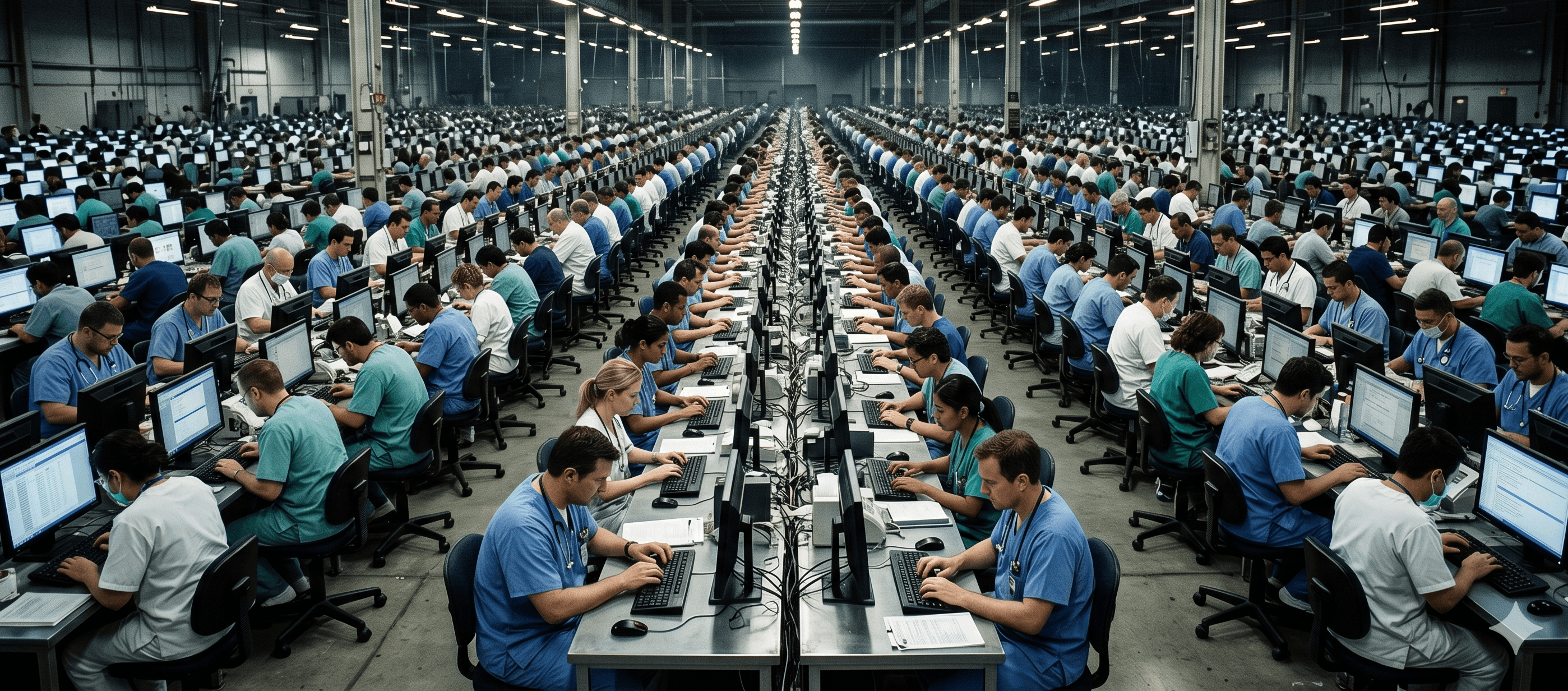
The EMR was built around billing. That's been bad for patients and staff.
Most clinicians now spend more of their working day at a screen than with patients. This is not by accident. It is by design. An immediate and radical shift of perspective is needed to improve the digitisation of healthcare.
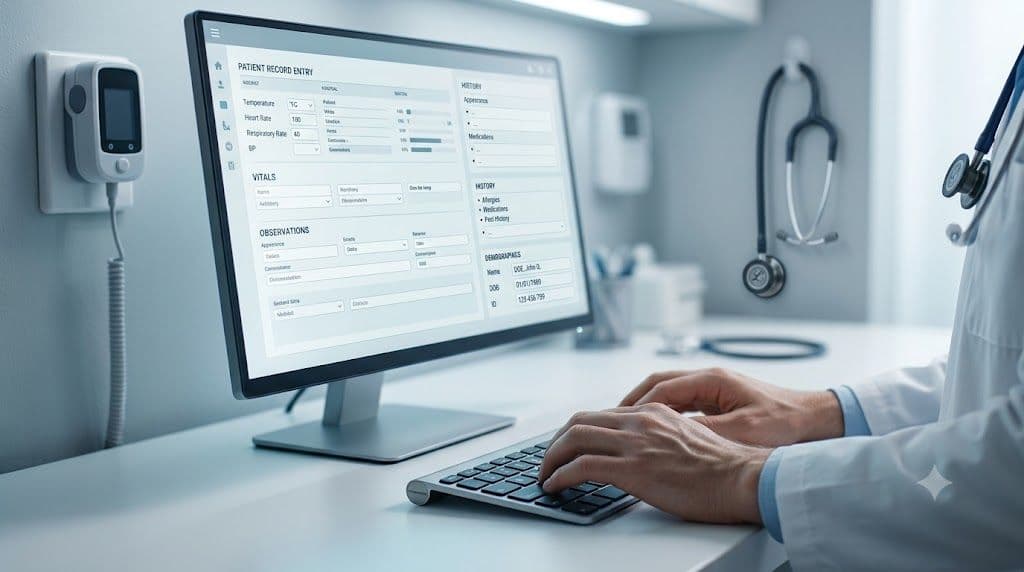
What's the difference between an EMR, EPR and EHR?
EMR, EHR, EPR — three acronyms, endless arguments, and no one fully agrees. The real reason for the confusion isn't complexity — it's geography. But beneath the jargon sits a bigger question, one your record system was never built to answer.