

Addressing the cost to health systems of delays in cancer care coordination
James is eight years old. When his mother brings him to the local clinic in Accra, he is pale and bruised. The doctor suspects leukaemia and urges her to take him to hospital without delay. But she hesitates. Long waiting times and worries about the cost weigh heavily on her mind. Instead, she visits a pharmacy. A friend has said it might just be an infection.
A week later, James is in intensive care, critically ill. That delay has put his life in danger.
Sadly, his story is not unusual. Across many low and middle income countries, as many as 90 per cent of cancer cases are diagnosed at a late stage. In wealthier countries, it is closer to 30 per cent. For children, the gap is even more stark. In high income countries, childhood cancer survival rates are around 95 per cent. In lower income settings, it is just 20 per cent.
It is not that the treatments do not exist. The real problem is that too often, people do not reach them in time.
Delays that cost lives and drain economies
When cancer is caught late, it becomes harder and much more expensive to treat. Patients often need more intensive care, more time in hospital and more specialised support. These costs quickly spiral.
Globally, the economic cost of cancer is projected to exceed $25 trillion between 2020 and 2050. A disproportionate share of that burden falls on countries already working with limited resources.
But behind the economic figures lies something far more urgent. Every late diagnosis is a lost chance. Every delay puts someone’s life at risk.
It is not just about resources. It is about coordination
It is tempting to think that outcomes are poor because the drugs or equipment are not available. But often, it is not about what is missing. It is about what is not working.
Too many patients fall through the cracks. Referrals are delayed. Test results do not follow the patient. Clinics and hospitals do not share information. Health professionals spend hours chasing paperwork or trying to reach colleagues. Families are left to navigate a fragmented system on their own.
This is not because people do not care. It is because the system is not connected.
What better coordination could look like
Imagine if James’s doctor had a better way. A simple tool on his phone to send a referral directly to the hospital’s oncology team. A secure message confirming the case has been received. A clinic appointment arranged that same day.
No paper letters. No guesswork. No waiting for someone to call back.
James could have started treatment within 24 hours. His outcome could have been very different.
Connecting the system, not replacing it
CAREFUL is designed for exactly this situation. It does not try to replace what already exists. Instead, it helps connect clinics, hospitals and providers using a secure, easy-to-use platform.
It gives health professionals a clear view of what is happening, what needs to happen next and who is responsible. It works across public, private and community health settings. It makes communication easier, referrals faster and follow-up more reliable.
When coordination improves, care improves too.
Because time really does matter
In cancer care, time is everything. The sooner a patient is seen, the better their chance of survival. Delays add risk, cost and suffering.
We already have the treatments. What we need now is to make sure people can get to them and not get lost in the system along the way.
Better coordination is not a luxury. It is one of the most effective ways we can improve outcomes and save lives.
CAREFUL Team
Author
Related Articles

Are we seeing Innovation for All?
Despite the fanfare of digital transformation, many NHS technology programmes still fail to scale
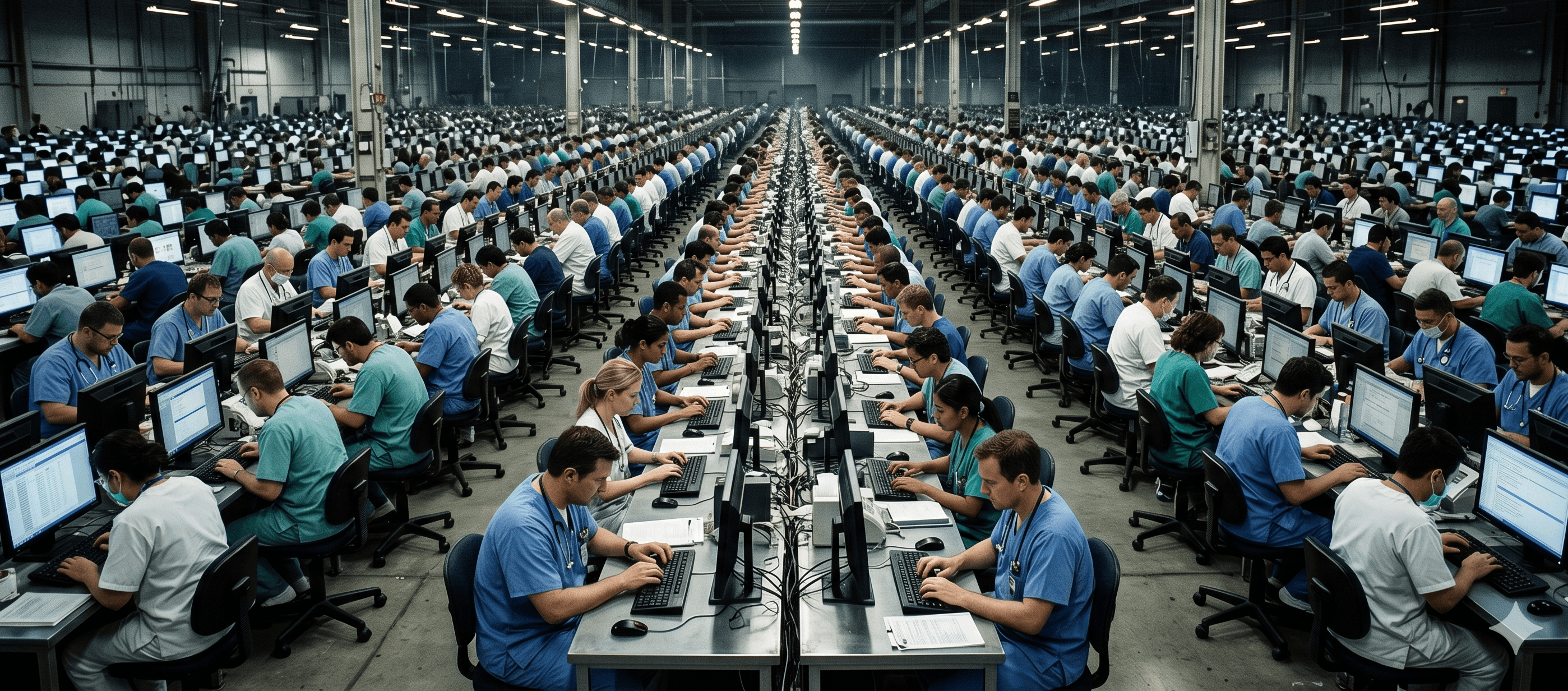
The EMR was built around billing. That's been bad for patients and staff.
Most clinicians now spend more of their working day at a screen than with patients. This is not by accident. It is by design. An immediate and radical shift of perspective is needed to improve the digitisation of healthcare.
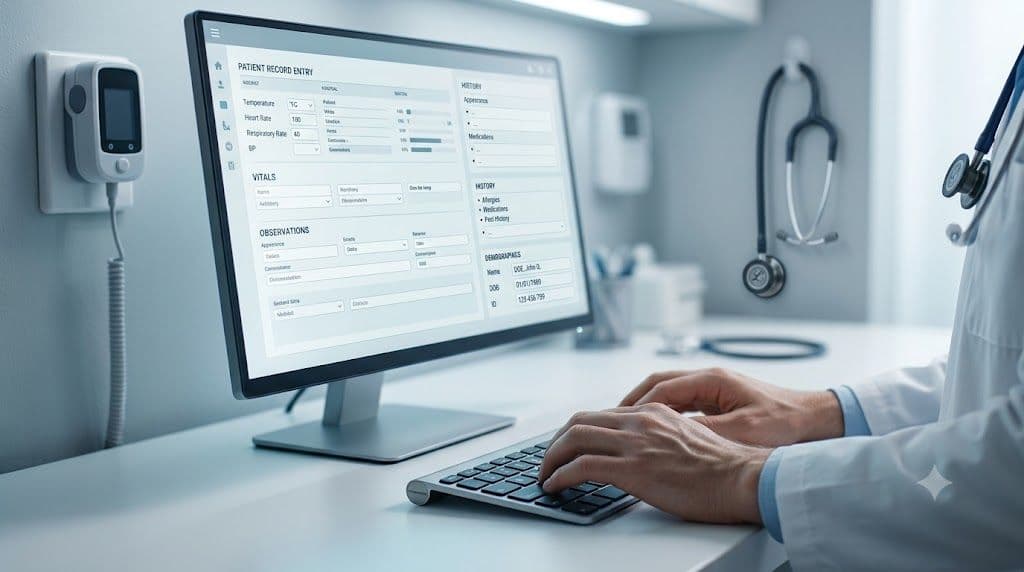
What's the difference between an EMR, EPR and EHR?
EMR, EHR, EPR — three acronyms, endless arguments, and no one fully agrees. The real reason for the confusion isn't complexity — it's geography. But beneath the jargon sits a bigger question, one your record system was never built to answer.